Refer a Friend & get £5
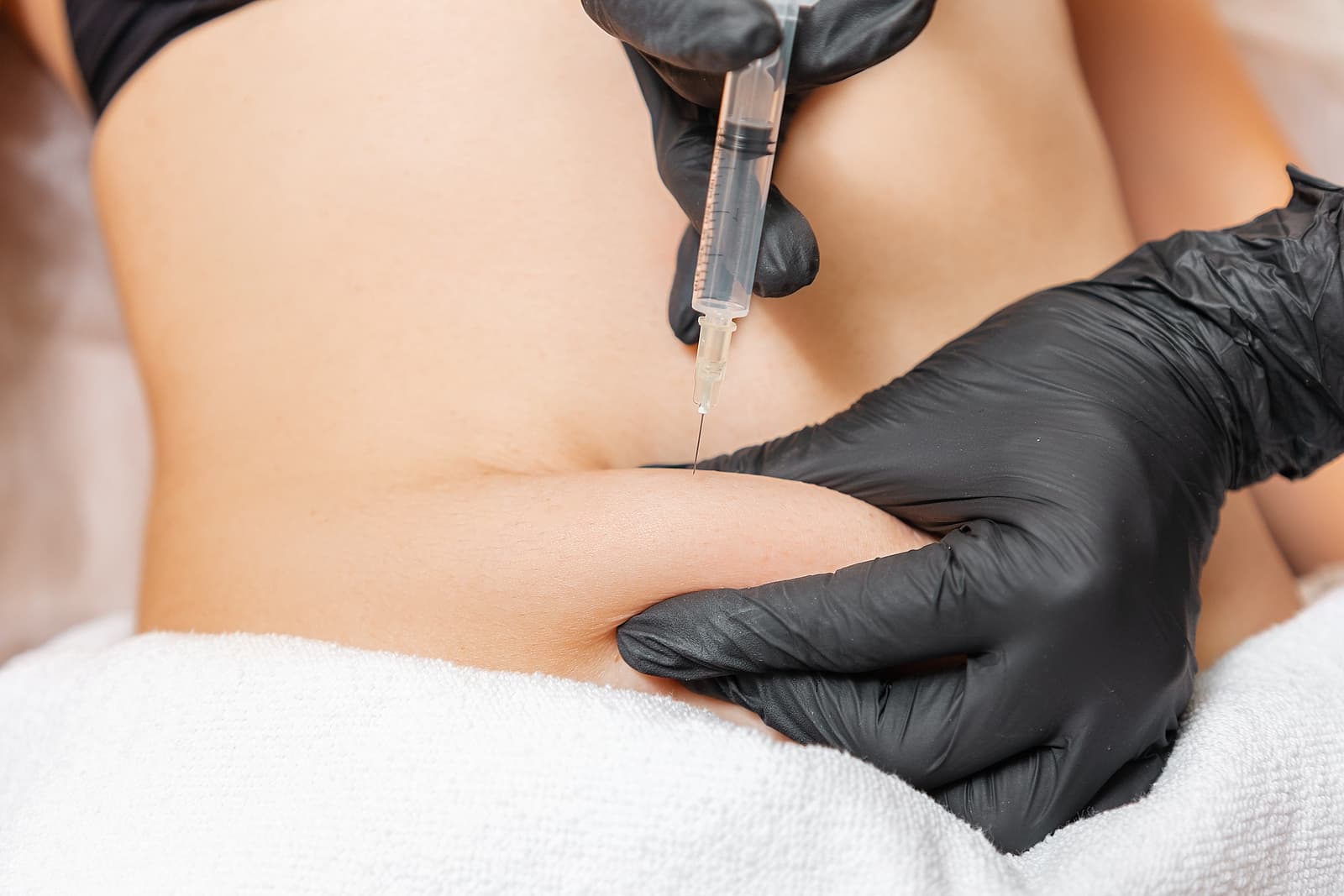
Many people claim the biggest benefit of using GLP-1 injections is the sudden quietening of food noise they have faced all their lives.
While this is a huge relief to dieters, it can actually lead to not eating enough food, which, of course, is still needed to stay healthy and, ironically, maintain weight loss progress.
Instead of being consumed by thoughts of what to eat, people find themselves with a sense of space and freedom when it comes to their diet.
According to findings published in Nature, food noise can become “intrusive and unpleasant”. Always having food on your mind is a common reason why diets have not worked in the past, as these thoughts turn into cravings that are hard to resist.
Being free of these constant thoughts about what to make for breakfast, what deals the supermarket will have, where to go for dinner, how many calories are in certain foods, what time to eat and so on, can have a huge impact on weight loss success.
However, sometimes people on GLP-1 injections find shutting down the food noise has such a big effect that their appetite is impacted and not only do they no longer think about food but they do not want to eat it.
As well as reducing food noise, GLP-1s work by slowing down digestion. People remain fuller, as food is literally inside the stomach for a longer amount of time.
Subsequently, this affects appetite, as they continue to feel full several hours after their meal and do not feel hungry for their next dish.
GLP-1s also affect the signals that trigger the feelings of appetite and make dieters feel satisfied and full instead of craving more food.
Moreover, they get the body to release insulin, helping to stabilise blood sugar levels. This helps deter hunger pangs that come with a sudden dip in blood sugar.
While men and women who have spent many years trying to lose weight will probably be elated at the drop on the scale they see every week, they have to be careful not to eat too little, as this could have implications on their health.
For a start, without eating much food, it is impossible to get enough nutrients needed to fuel the body and keep it functioning adequately.
They will not be able to get the vitamins, minerals, fats and carbohydrates needed to sustain themselves physically and mentally.
This can result in a dip in energy, low blood sugar, dizziness, fatigue, brain fog, nausea, brittle nails, weak hair and poor concentration, among many other symptoms.
Protein has been a buzzword in the weight loss sector for a number of years as it is one of the most important macronutrients needed for sustainable long-term fat loss.
The reason behind this is because protein helps to maintain and build muscle, which increases metabolic rate.
Additionally, as protein has a high thermic effect of food, 20 to 30 per cent of the calories consumed in protein is actually used to digest it, compared with five to ten per cent for carbohydrates and up to three per cent for fats.
Protein has greater satiety than many other foods, so it creates a feeling of satisfaction and fullness, so dieters are less likely to reach for snacks shortly after their meal.
By not eating enough protein, the body is not going to be able to build more, or even maintain, muscle. What’s more, the body will start to break down the muscle, as well as fat, reducing muscle mass and lowering the metabolic rate.
With a low metabolic rate, this will make it harder to maintain weight loss. Even though the scales might be plummeting quickly at the moment, this may not last without sufficient calorie intake.
This is because a poor metabolism means the body will burn food at a slower rate, so when a normal diet is resumed, such as when coming off GLP-1s, there is the risk of gaining weight as the metabolism is much slower than it used to be.
What’s more, after being used to eating such a small amount of food for several months or even years, it could be a shock to the system when appetite is no longer suppressed and calories shoot up.
With a sluggish metabolic rate, this will result in putting in weight, rather than maintaining a healthy and future-proof weight loss.
It is thought that losing more than 1.5 kg per week increases the risk of developing gallstones. This is due to both the liver releasing more cholesterol into the bile and the gallbladder not emptying as often, which results in the bile turning into stones.
This is particularly a problem for men and women with existing gallstone issues. However, it can also occur in those who have no history of the condition.
That is why it is important to be observant of any signs of undereating, even with the temptation to make the most of a fast weight loss.
Here are some indicators that you might be losing weight too quickly:
Even with a small appetite, it is still important to eat. The trick is to prioritise foods that are high in nutrients to ensure vitamin, mineral, protein, fat and carb targets are being met to keep the body and mind fit and well.
Foods that are high in protein are ideal to eat, even for those with a low appetite, as they are nutrient-dense and will help to maintain muscle tissue even with weight loss.
That’s why foods like fish, lean poultry, eggs, and Greek yoghurt should be eaten, whether as part of a meal or as snacks if you cannot stomach eating much. Boiled eggs, apples with nut butter and a pot of yoghurt are easy to digest even with a small appetite.
One of the reasons why many people become overweight or obese in the first place is because they want foods that are easy to eat and convenient to make, so they frequently turn to ready meals, takeaways and calorie-rich snacks.
However, when ‘food noise’ is turned off and appetite is low, they might not be interested in shopping, meal planning, and preparing foods, which is why many turn to convenience foods again.
The good thing is these do not have to be nutrient-poor, and there are many meal replacement shakes and dishes, protein bars, and tempting desserts that can be eaten on a weight loss journey.
These can be ideal for those who have lost their desire for foods, as they can cut out all the time and effort preparing meals.
Previously, you might have eaten when you fancied or when you felt hunger cues. However, if you are no longer tempted by foods and you do not feel hungry, it can be hard to know when to eat.
That is why it is essential to create a routine and stick to it, much like you would if you had to take regular medication. This is most likely to look like three meals and one or two snacks per day, helping you to meet your calorie goals and get all the nutrients you need.
Just because you should eat at every mealtime, it does not mean you have to feel uncomfortable afterwards.
Due to the appetite suppression and slower digestion, it can be worth swapping heavier dishes for much lighter ones, such as soups, smoothies, and soft foods like cottage cheese or eggs.
Importantly, do not forget to drink plenty of water. If you feel full all of the time, the last thing you might want to do is guzzle down two litres of water but fluid is essential for keeping you hydrated, which will help with energy levels and digestion.
It can also help prevent you reaching for a snack, as drinking plenty of water helps to keep you full.