Refer a Friend & get £5
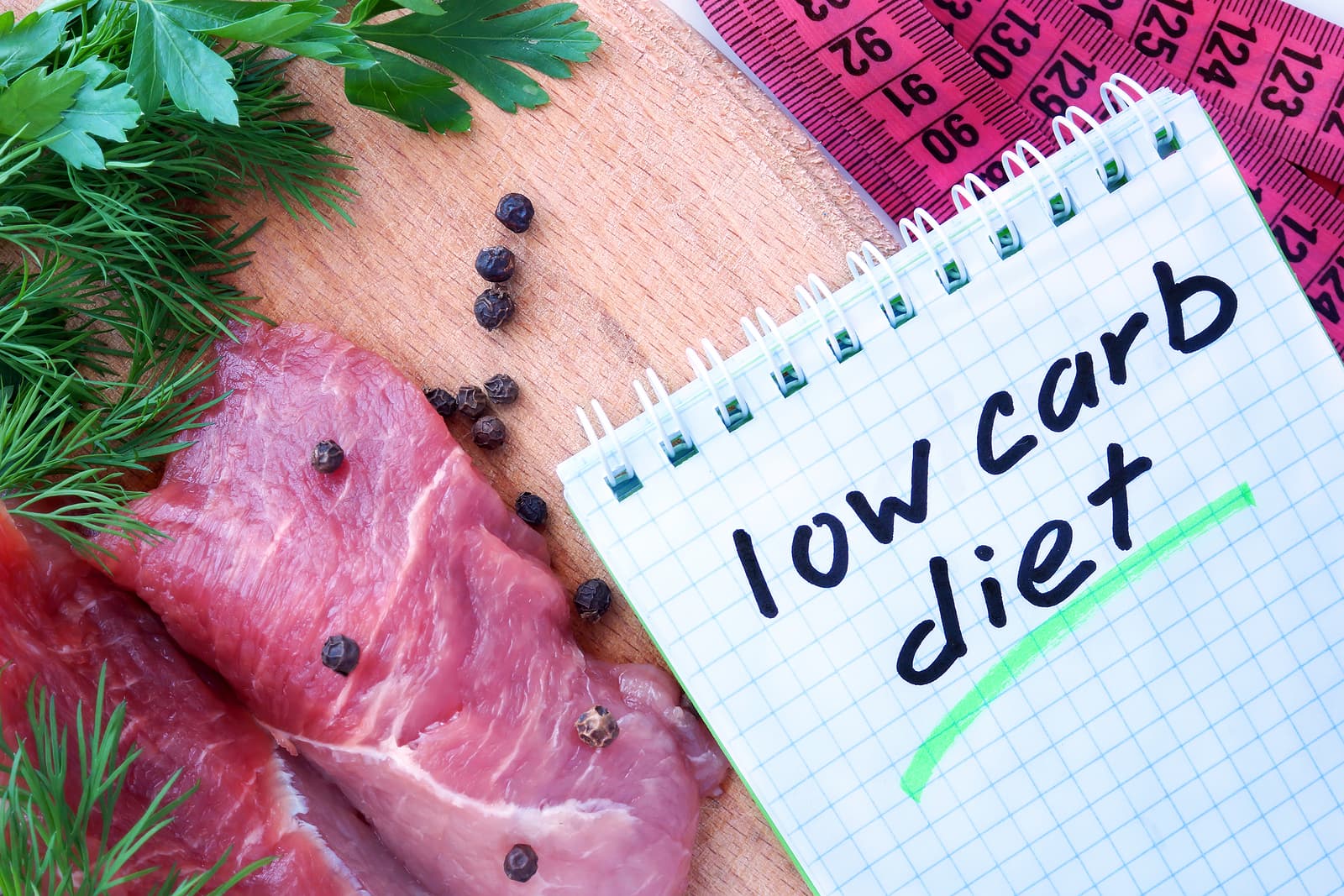
Getting enough protein can be challenging when you are following a very low-calorie diet because you have less food to work with overall. An 800-calorie diet leaves relatively little room for foods that provide protein, alongside the other nutrients your body needs.
Choosing protein-rich foods and planning your calories carefully can help. For people using a structured meal replacement plan, specially formulated shakes, soups and other products can also make it easier to include protein within a controlled calorie intake.
An 800-calorie diet is a very low-calorie diet (VLCD) plan and is not suitable for everyone. If you are considering this type of plan, it is important to establish whether it is appropriate for you and follow suitable professional guidance where necessary.
Protein is an essential nutrient with a number of roles in the body. It contributes to the maintenance of normal bones and muscle, among other functions.
When you are deliberately reducing your calorie intake, paying attention to protein can be particularly useful. A diet that provides adequate protein alongside an appropriate amount of energy and other nutrients can help you build a more nutritionally considered eating plan.
However, protein is only one part of the picture. An 800-calorie diet plan needs to be carefully structured because there is less room for foods providing essential vitamins, minerals, fibre and other nutrients.
This is one reason structured VLCD diet products can be useful: they are designed to provide specific nutritional values within a controlled calorie intake.
If you are putting together meals yourself, focus on foods that provide a useful amount of protein without using up a large proportion of your available calories.
Options can include lean meat, poultry, fish, eggs, low-fat dairy products and certain plant-based foods. For example, foods such as chicken breast, white fish, tuna, cottage cheese, Greek yoghurt and eggs can contribute protein to meals.
Plant-based options include foods such as tofu, soya products, beans and lentils. However, some plant-based protein sources also contain significant amounts of carbohydrate or calories, so portion sizes and your overall nutritional plan still matter.
Meal replacements can make a structured low-calorie diet simpler because the nutritional content and portion size are already established.
A high-protein meal replacement shake, for example, can provide a convenient source of protein without requiring you to prepare and weigh individual ingredients. Depending on the plan, meal replacement soups, meals and bars can also provide variety.
This can be useful when you are working with a limited calorie budget. Instead of trying to construct every meal from scratch, you can use a product designed to provide a specific amount of calories and nutrients.
If you are following an 800-calorie plan, it can be useful to consider your protein intake across the whole day rather than trying to fit most of it into one meal.
For example, if your plan includes several meals or meal replacement VLCD shakes, each can contribute towards your overall protein intake.
This approach can also add variety. Rather than having one very protein-heavy meal, you could use a combination of protein-rich foods and suitable meal replacement products throughout the day.
The exact amount of protein you need depends on factors such as your individual circumstances, dietary intake and goals, so there is no single target that is appropriate for everyone.
It can be tempting to focus heavily on protein when calories are restricted. However, an 800-calorie diet should not simply be a high-protein diet. Your body needs a range of nutrients, including essential fats, vitamins, minerals and fibre.
This is particularly important when there is very little room for additional food. Filling your calorie allowance with one particular nutrient can leave less space for other foods and nutrients.
Getting enough protein on a VLCD diet plan involves planning the limited calories available carefully. Protein-rich foods, well chosen portions and high-protein meal replacements can all have a role.
If you are considering a very low-calorie plan, make sure you understand whether it is appropriate for you and how to meet your wider nutritional needs.
A structured approach can make calorie and protein intake easier to manage, while helping you avoid the guesswork involved in building an extremely low-calorie diet yourself.