Refer a Friend & get £5
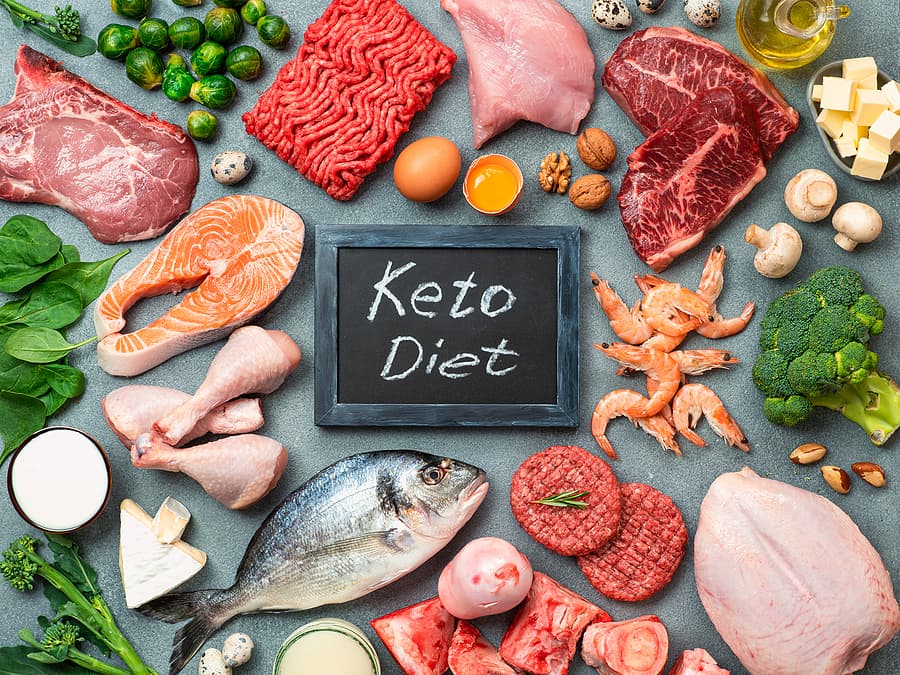
Keto and low-carb diets both involve reducing carbohydrate intake, but they are not exactly the same. The main difference is how much carbohydrate you eat and whether the diet is designed to put your body into a metabolic state called ketosis.
A low-carb diet generally reduces carbohydrates without requiring a specific carbohydrate limit or aiming for ketosis. A ketogenic, or keto, diet is much more restrictive, with carbohydrate intake kept low enough to encourage ketosis.
Understanding this distinction can make it easier to decide which approach fits your eating habits, preferences and goals.
A low-carb diet simply means eating fewer carbohydrates than you would on a conventional diet.
There is no single definition that applies to every low-carb diet. Some approaches allow a moderate amount of carbohydrate from foods such as wholegrains, fruit, vegetables and pulses, while others are considerably more restrictive.
Instead of focusing exclusively on carbohydrates, a low-carb diet can include a range of foods such as:
The exact balance depends on the particular eating plan. Because there is generally more flexibility with carbohydrate intake, low-carb diets can be easier to adapt around different preferences and lifestyles.
A keto diet takes carbohydrate restriction further. The aim of a ketogenic diet is to encourage ketosis, a metabolic state in which the body produces and uses ketones as an alternative energy source when carbohydrate availability is low.
To encourage ketosis, keto diets typically contain very little carbohydrate, alongside higher amounts of fat and a moderate amount of protein. The exact macronutrient balance can vary between different ketogenic plans.
Foods commonly associated with keto eating include meat, fish, eggs, cheese, nuts, seeds, oils and lower-carbohydrate vegetables.
Foods containing significant amounts of sugar or starch, including many breads, cereals, pasta, rice and sweet foods, are generally restricted.
The simplest way to understand the difference is the degree of carbohydrate restriction. A low-carb diet reduces carbohydrate intake but does not necessarily aim to achieve ketosis.
A keto diet uses a much lower carbohydrate intake specifically to encourage the body to enter and remain in ketosis. This means that all keto diets are low in carbohydrate, but not every low-carb diet is ketogenic.
For someone looking for flexibility, a general low-carb approach may allow more room for foods such as fruit, wholegrains or higher-carbohydrate vegetables. A keto approach requires closer attention to carbohydrate intake.
Not necessarily. This is an important distinction because keto is sometimes confused with a high-protein diet. Traditional ketogenic diets generally contain a higher proportion of fat, with protein included in moderate amounts.
However, there are products and eating plans designed to combine keto-friendly carbohydrate levels with higher protein. If protein intake is important to you, it is worth checking the nutritional information rather than assuming that something described as keto will automatically be high in protein.
For people trying to manage their calorie intake while maintaining a good protein intake, a high-protein meal replacement shake can be a convenient option.
Yes, some meal replacements are specifically formulated to fit into a keto-style diet. However, not every shake or meal replacement is suitable for keto. Carbohydrate and sugar content can vary considerably between products, so always check the nutritional information.
If you are following a structured keto plan, look at the product's carbohydrate content as well as its protein, fat, calories and overall nutritional profile.
This can be particularly useful if you have a busy routine and want a convenient alternative to preparing a separate low-carbohydrate meal.
The key difference is not simply the foods you eat, but how strictly you restrict carbohydrates and whether you are aiming for ketosis. A low-carb diet generally gives you more flexibility, while a keto diet requires much tighter carbohydrate control.
Whichever eating pattern you choose, a practical plan that fits your lifestyle and can be followed consistently is important. If convenience, portion control and protein are priorities, a suitable meal replacement can also form part of a structured approach.
As with any restrictive eating plan, it is sensible to check whether it is appropriate for your individual circumstances, particularly if you have a medical condition, or are pregnant or breastfeeding.