Refer a Friend & get £5
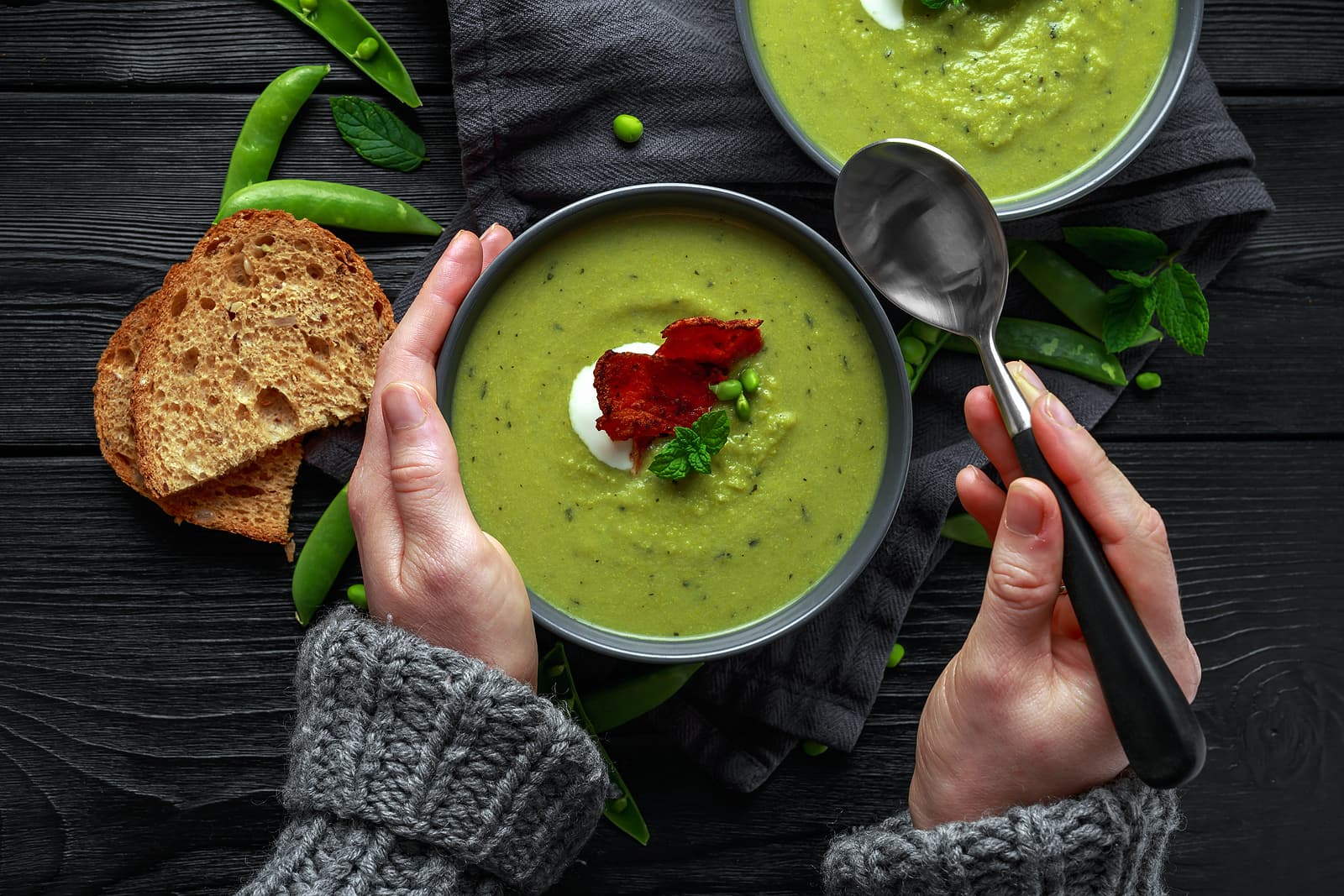
As the weather gets colder, it can be tempting to reach for larger portions, comforting snacks and warming foods throughout the day. Shorter days and more time spent indoors can also make grazing more appealing.
That does not mean you need to avoid your favourite autumn and winter foods. Instead, a few simple habits can help you stay aware of portions, maintain a regular eating routine and avoid eating simply because food is available.
One of the simplest ways to avoid overeating is to avoid letting yourself become excessively hungry. Skipping meals or leaving long gaps between eating can make it harder to recognise when you have had enough.
By the time you do eat, you may be more likely to choose a larger portion or reach for snacks. A structured routine can make eating feel more predictable.
Depending on your individual needs, this could mean planning regular meals and snacks rather than deciding what to eat every time hunger strikes.
Meal replacements can also be useful for people who prefer a more structured approach. A portion-controlled weight loss shake, soup or bar can provide a convenient alternative when you want something simple without having to plan or prepare a full meal.
Avoiding overeating does not mean trying to eat as little as possible. Choosing filling, nutritious foods can make it easier to stick to sensible portions.
Protein is one useful consideration when planning meals. Foods such as eggs, fish, lean meat, dairy products, beans and other protein-rich options can form part of a balanced diet.
High-protein meal replacements can also provide a convenient option when you are trying to keep meals simple while paying attention to your calorie intake.
Cold weather often brings back favourite meals such as pasta dishes, curries, pies, casseroles and warming desserts. There is no need to automatically remove these foods from your diet.
Instead, think about portion size and what you can add to the meal. For example, you might serve a favourite main dish alongside vegetables or salad, or choose a smaller portion and eat it slowly.
The same principle applies to treats. Having something you enjoy occasionally is very different from mindlessly eating it simply because it is sitting in front of you.
Spending more time indoors can make the kitchen feel like the most convenient place to visit. If snacks are constantly within reach, it is easy to eat without really noticing how much you have had.
Try to distinguish between genuine hunger and eating out of boredom, habit or convenience. You do not need to avoid snacks completely. Instead, portion something out rather than eating directly from a packet, and consider whether you are actually hungry or not.
If you regularly find yourself looking for food between meals, it may also be worth reviewing whether your main meals are sufficiently satisfying.
Healthy eating becomes considerably harder when every meal requires extensive preparation. This can be particularly relevant in autumn and winter, when busy mornings, darker evenings and cold weather can make cooking feel less appealing.
Keeping straightforward options available can help you avoid making food choices purely based on convenience. Meal replacement shakes, soups and bars can be useful in situations where you want something quick and portion-controlled.
For someone following a structured weight-loss plan, having an option ready to go can also make it easier to maintain consistency when the day does not go according to plan.
It can be easy to drink less during colder weather because you may not feel as thirsty as you do in summer. Keeping hydrated is still an important part of everyday nutrition. Water, tea, coffee and other suitable drinks can all contribute to your daily fluid intake.
If you find yourself reaching for food between meals, having a drink first can also provide a useful pause. It will not necessarily eliminate hunger, but it can help you think about whether you actually want something to eat.
You can still enjoy warming meals and seasonal treats. The key is to make them part of an overall eating pattern that feels manageable, rather than allowing colder weather to turn every day into an excuse for constant snacking.