Refer a Friend & get £5
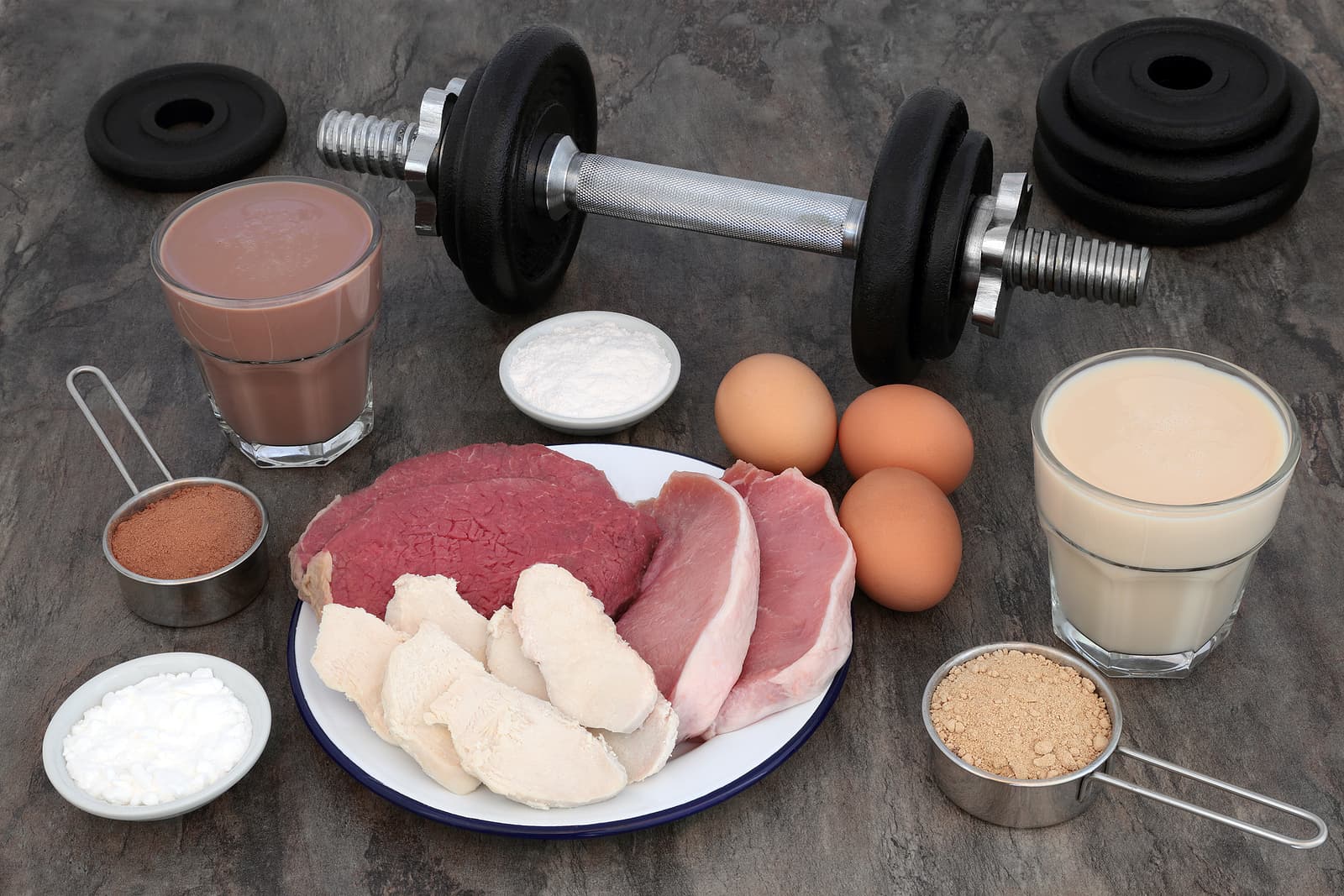
When people think about losing weight, the focus is usually on the number on the scales. But successful weight loss isn't simply about making that number smaller. What you lose matters too.
Maintaining muscle while losing body fat is an important part of a balanced approach to weight management. One of the nutrients that can help support this is protein.
Whether you're following a structured calorie-controlled plan, using meal replacements or simply trying to make healthier food choices, getting enough protein can help you make the most of your weight loss journey.
When you lose weight, your body doesn't lose only fat. Some lean tissue can also be lost, particularly when calorie intake is significantly reduced. This is one reason that weight loss shouldn't be viewed purely as a race to see how quickly the scales move.
Muscle has important roles in everyday life. It helps you move, supports physical function and contributes to your overall strength. Maintaining muscle therefore matters for more than appearance.
A sensible weight loss approach combines appropriate calorie control with good nutrition and regular physical activity.
Protein is a macronutrient made up of amino acids, which your body uses for numerous functions, including building and maintaining tissues.
When you're eating fewer calories than your body needs, having an adequate protein intake can help support the maintenance of lean muscle tissue.
This is particularly relevant during weight loss because your body has fewer calories available for its usual processes. Providing sufficient protein gives it an important source of amino acids to work with.
Protein is also useful because it can contribute to feelings of fullness. This can make a calorie-controlled eating plan easier to follow, particularly when meals are built around satisfying sources of protein.
Reducing calorie intake is central to weight loss, but cutting calories doesn't mean that every nutrient should be reduced indiscriminately. A good calorie-controlled plan should still provide a useful balance of nutrients.
This is where high-protein foods and meal replacements can be convenient. Rather than simply choosing the lowest-calorie option available, you can look for foods that provide a meaningful amount of protein alongside other important nutrients.
For people with busy lifestyles, a high-protein meal replacement shake can be an especially straightforward way to include protein without having to prepare a full meal.
There isn't one universal protein target that is right for everyone. Protein requirements can vary according to factors such as body size, age, activity levels and overall diet. Someone who exercises regularly may have different needs from someone who is mostly sedentary.
For that reason, it's better to think about including a good source of protein regularly throughout the day rather than becoming fixated on one specific number.
If you're unsure how much protein is appropriate for your individual circumstances, a qualified healthcare or nutrition professional can provide personalised guidance.
Protein doesn't have to come from complicated recipes or expensive foods.
Useful options include:
Having several convenient options available makes it easier to maintain your protein intake when life gets busy.
Protein is only one part of maintaining muscle during weight loss. Regular physical activity is important too. In particular, resistance-based exercise can provide the muscles with a reason to remain strong while you're losing weight.
Depending on your circumstances and fitness level, resistance exercise could include weights, resistance bands or suitable bodyweight exercises. Walking and other forms of activity are valuable for overall health too.
It's important not to assume that eating more protein will automatically prevent muscle loss. It doesn't replace a balanced diet or appropriate physical activity.
Weight loss is influenced by many factors, including overall calorie intake, nutrition, activity, sleep and long-term consistency. The goal is to create an eating pattern that provides enough nutrition while supporting your weight management goals.
The simplest approach is often the most sustainable. Instead of trying to dramatically increase your protein intake overnight, look at your existing meals and ask where you could include a reliable protein source.
You might choose a high-protein shake for breakfast, add eggs or yoghurt to a meal, choose lean protein at lunch or keep a convenient protein-rich snack available.
Maintaining muscle, eating a nutritious diet and developing habits you can continue long term are all important parts of a sustainable approach.