Refer a Friend & get £5
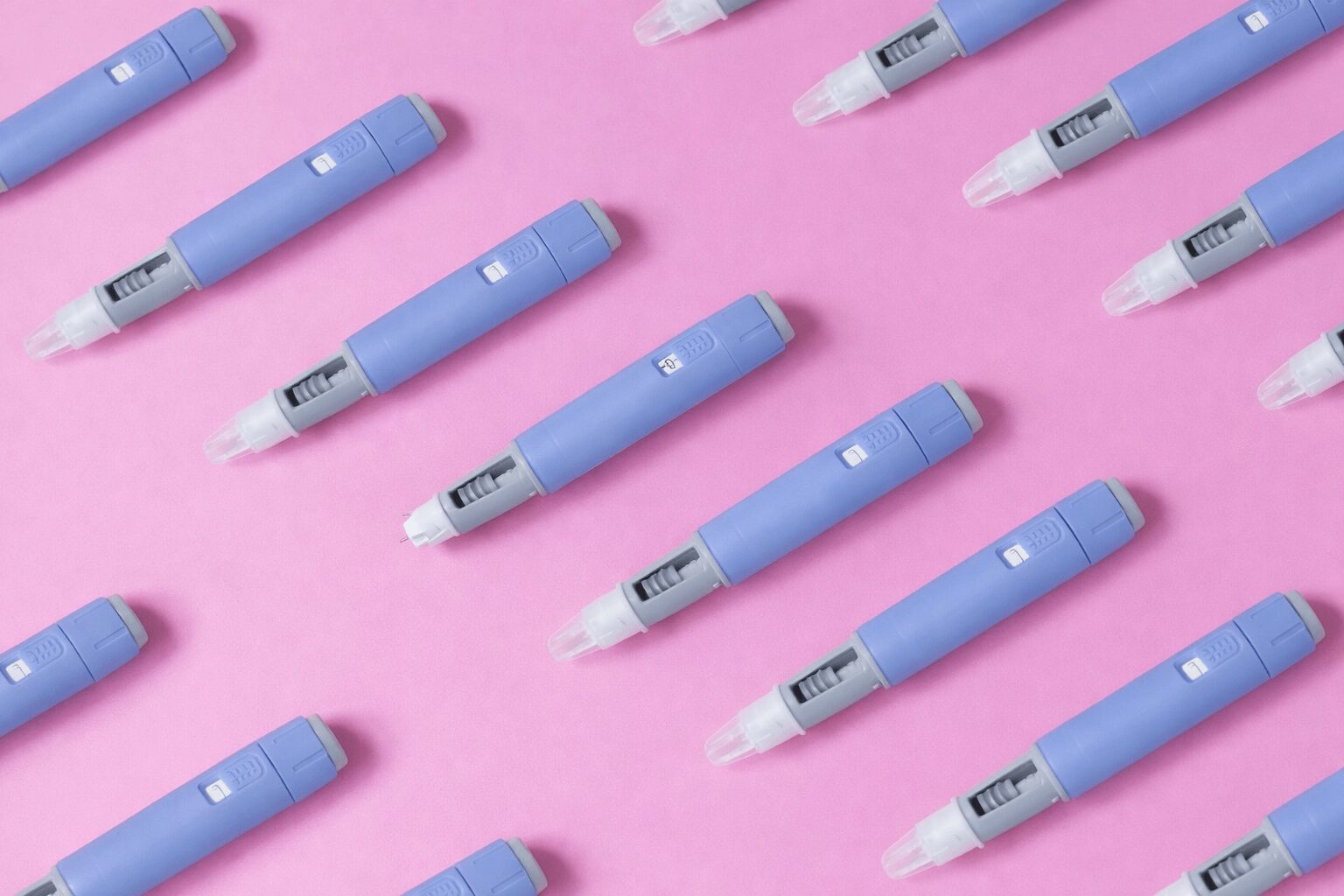
If you’re using a GLP-1 medication, you might have noticed that your appetite has changed, sometimes quite dramatically. For many people, hunger reduces to the point where meals feel like effort rather than enjoyment, and food can easily get pushed aside.
This is a common experience. GLP-1 medications work by slowing digestion and reducing hunger signals, which can be helpful for weight loss but can also make eating feel unfamiliar or uncomfortable. The challenge is that even when you’re not hungry, your body still needs nourishment to function well.
This article is about practical, gentle ways to eat on GLP-1 injections when appetite is low, without forcing meals or overthinking food.
One of the biggest misconceptions with GLP-1 medications is that eating as little as possible is the goal. In reality, consistently under-eating can cause problems over time.
When intake drops too low, people often report feeling tired, weak, light-headed, or flat. Some notice muscle loss, slower recovery, or difficulty maintaining weight loss. None of this means GLP-1 isn’t working, it usually means nutrition has been pushed too far down the priority list.
The aim isn’t large meals or strict plans. It’s making sure your body is still getting enough energy, protein and nutrients to support day-to-day life.
When appetite is low, it helps to shift expectations.
You don’t need “proper” meals. Smaller amounts are fine. Liquids and softer foods often feel easier than heavy or dry foods. Protein becomes more important than volume, and consistency matters far more than perfection.
If you can take something in regularly — even if it’s small — you’re doing enough.
For many people on GLP-1, liquid or semi-liquid foods are the easiest place to start. Smooth textures tend to be better tolerated, especially if there’s any nausea or feeling of fullness.
A smoothie, yoghurt-based drink, blended soup or nutritionally complete shake can provide protein and energy without feeling overwhelming. These options often digest more predictably and don’t sit as heavily as solid meals.
When solid food feels manageable, protein-first choices can help you get more benefit from smaller portions. Foods like yoghurt, eggs, soft fish, cottage cheese or slow-cooked meals are often easier to eat than dry or bulky foods. Even small amounts can make a difference over the course of the day.
Simple carbohydrates can also help maintain energy, especially if you’re feeling shaky or drained. A slice of toast, a few crackers, some oats or a piece of fruit can be enough to stabilise things when paired with protein.
Hydration is another area that’s easy to overlook. Low appetite often goes hand in hand with low fluid intake, which can make fatigue and nausea worse. Sipping fluids regularly, including soups or broths, can help more than people realise.
There are days when even the idea of eating feels like too much. This doesn’t mean you’re failing or doing something wrong.
On those days, some people use meal replacement shakes as a practical support tool rather than a “diet product”. Not as something to rely on all the time, but as a way to make sure they’re still getting protein, vitamins and calories when cooking or chewing feels unappealing.
Used occasionally, liquid nutrition can act as a safety net, helping you stay consistent without forcing food when your body clearly isn’t ready for it.
Simple nutrition plans designed for low appetite days
There’s no single approach that works for everyone. Some people do better with two or three small eating occasions, while others prefer to nibble lightly across the day.
The most important thing is avoiding long stretches with nothing at all, especially if you start to feel weak, dizzy or unwell. Gentle, regular intake usually works better than trying to follow a rigid schedule.
GLP-1 medications can be a useful tool, but long-term success still depends on nutrition habits. Learning how to eat when appetite is low, prioritise protein, and rely on simple, repeatable options can make a big difference — both during treatment and afterwards.
Food doesn’t have to be perfect. It just needs to be enough.
If you’re on GLP-1 injections and struggling with appetite, you’re not alone. Reduced hunger is part of how these medications work, but your body still needs fuel.
Start small, keep things simple, and focus on what you can tolerate. On days when solid meals feel like too much, gentle liquid nutrition can help bridge the gap and keep you going.